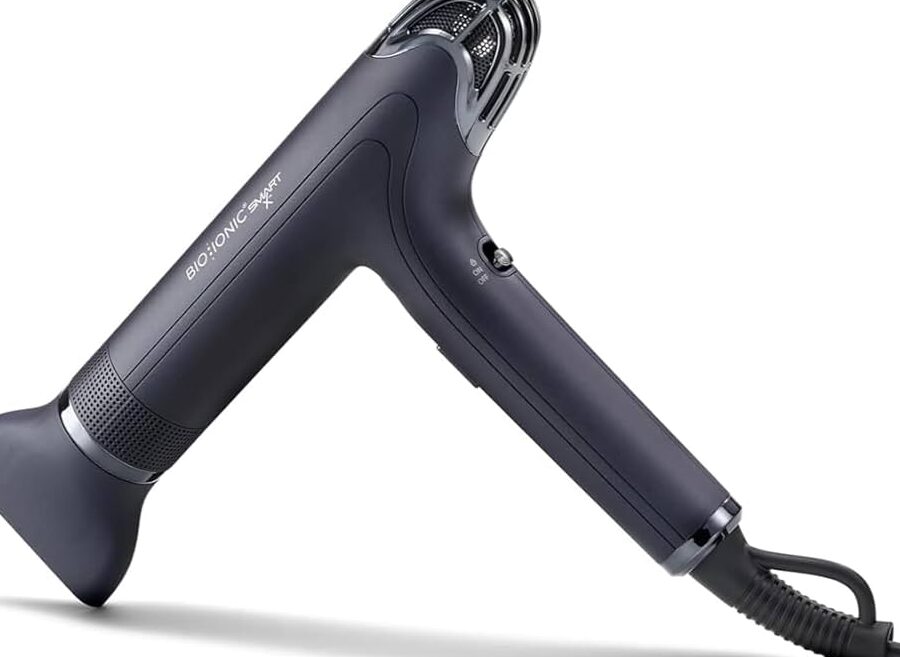
[amazon bestseller=”bionic hair dryer”]
Are you tired of spending countless hours trying to achieve salon-quality hair at home? The bionic hair dryer might be the game changer you’ve been looking for. With advanced technology designed to minimize damage and maximize shine, these innovative dryers are revolutionizing our styling routine.
In this article, we will explore the best bionic hair dryer options available today, comparing their features and benefits. From lightweight designs to rapid drying capabilities, each model offers unique advantages tailored to different hair types and styling needs. We’ll help you make an informed decision that aligns with your beauty goals.
So why settle for ordinary when you can elevate your hair care experience? Are you ready to discover which bionic hair dryer will transform your daily routine into a luxurious self-care ritual? Join us as we delve into our top picks!
Choosing the Right Features for Your Bionic Hair Dryer
When selecting a bionic hair dryer, understanding the key features is crucial to ensure you make an informed decision. Each feature contributes not only to the efficiency of drying but also to the health and appearance of your hair. We have tested various models and compiled insights that will help you focus on what matters most when choosing your next hair dryer.
Essential Features to Consider
- Ionic Technology: Look for dryers equipped with ionic technology, which helps reduce frizz by breaking down water molecules faster, allowing for quicker drying times while maintaining moisture in your hair.
- Heat Settings: Multiple heat settings are essential for catering to different hair types. Fine or damaged hair may require lower settings, whereas thicker textures might benefit from higher temperatures.
- Speed Options: Adjustable speed options can enhance control during styling. Higher speeds are beneficial for quick drying, while lower speeds allow for more precision when styling.
- Attachments: Concentrator nozzles and diffusers can significantly impact styling versatility. A concentrator nozzle directs airflow precisely where needed, while a diffuser is ideal for enhancing natural curls without causing frizz.
- Weight and Design: Ergonomic design plays a vital role in comfort during use, especially if you spend considerable time styling your hair daily. Lighter models can prevent fatigue.
Advanced Features
- Smart Technology: Some bionic hair dryers come with smart features that adjust heat and speed based on real-time feedback from sensors within the device.
- Noise Levels: Consider noise reduction technology if you’re sensitive to sound; quiet models can provide a more pleasant experience during use.
- Durability and Warranty: Investing in high-quality materials ensures longevity, while good warranty policies signify manufacturer confidence in their product’s performance.
By prioritizing these features listed above, we can confidently navigate through our top comparisons of bionic hair dryers available at the beginning of this article and select one that best fits our needs without compromising on quality or efficiency.
Understanding Motor Types and Technology in Hair Dryers
When considering a bionic hair dryer, it is essential to understand the various motor types and technologies that contribute to its performance. The motor is the heartbeat of any hair dryer, influencing not just drying speed but also efficiency and heat management. By familiarizing ourselves with these aspects, we can make more informed decisions when exploring our top comparisons listed above.
Types of Hair Dryer Motors
The two main types of motors found in hair dryers are AC motors and DC motors. Each type offers distinct advantages:
- AC Motors: Often found in professional-grade models, these motors are larger and provide powerful airflow. They tend to have a longer lifespan and offer consistent heat levels, making them ideal for quick drying.
- DC Motors: These are typically lighter and quieter than their AC counterparts. While they may not achieve the same high airflow rates as AC motors, they are efficient for home use and suitable for styling without excessive weight.
Understanding these differences helps us choose a bionic hair dryer that aligns with our needs-whether we’re looking for salon-quality results or convenience at home.
Advanced Technologies
In addition to motor types, several advanced technologies enhance the performance of modern bionic hair dryers:
- Ionic Technology: This feature generates negatively charged ions that break down water molecules more efficiently, reducing drying time while minimizing frizz.
- Ceramic Heating Elements: Dryers equipped with ceramic technology distribute heat evenly across the surface of your hair, helping prevent damage from hot spots.
- Tourmaline Coating: Some models include tourmaline-infused materials which emit negative ions when heated. This further aids in reducing frizz and adds shine to your locks.
By prioritizing a bionic hair dryer that incorporates these technologies alongside an appropriate motor type, we can ensure optimal results tailored to our specific hair care goals. As we explore the options listed above, keep an eye out for these features-they can significantly enhance both functionality and overall user experience.
Comparing Heat Settings and Their Impact on Hair Health
When selecting a bionic hair dryer, understanding the various heat settings and their implications for hair health is crucial. Different heat levels can significantly affect how our hair responds during drying and styling processes. By choosing the right temperature settings, we not only enhance our styling results but also protect our hair from potential damage.
Importance of Heat Settings
Heat settings play a vital role in determining how effectively we dry and style our hair. High temperatures may expedite the drying process, but they can also lead to dryness, brittleness, and breakage over time. Conversely, lower heat settings might take longer to dry your hair but are generally much gentler on strands, preserving moisture and overall health.
Recommended Heat Levels for Different Hair Types
Understanding which heat setting is appropriate for your specific hair type can make all the difference:
- Fine or Damaged Hair: Low heat (around 140°F – 160°F) is advisable to minimize further damage while still achieving desired styles.
- Normal Hair: A medium heat setting (approximately 160°F – 180°F) works well for most individuals, providing balance between efficient drying and maintaining healthy locks.
- Thick or Coarse Hair: Higher temperatures (upwards of 180°F) may be necessary to effectively manage thicker textures without excessive effort.
By aligning the chosen bionic hair dryer with these general guidelines, we ensure that we’re not just pursuing quick results but prioritizing long-term health as well.
Additional Features That Enhance Heat Management
In addition to selecting appropriate heat settings based on individual needs, several advanced features in modern bionic hair dryers can optimize performance:
- Variable Heat Control: Many models now offer multiple customizable heat options that allow users to tailor their experience based on specific styling requirements.
- Cool Shot Button: Utilizing a cool shot feature at the end of styling helps lock in looks while reducing frizz by sealing cuticles.
These features enhance versatility during use while ensuring that we’re safeguarding our tresses against unnecessary thermal stress. As you review the products listed above, consider those with robust temperature management capabilities; this attention to detail will undoubtedly contribute positively towards achieving healthier-looking hair over time.
Weight, Design, and Ergonomics: Comfort Matters
When it comes to choosing the best bionic hair dryer, we must not overlook factors like weight, design, and ergonomics. These elements play a significant role in our overall experience during hair drying and styling sessions. A well-designed hair dryer can reduce fatigue, enhance maneuverability, and ultimately lead to better results. By prioritizing comfort in our selection process, we ensure that we can enjoy the benefits of advanced technology without sacrificing our convenience.
Importance of Weight
The weight of a bionic hair dryer is crucial for ease of use. Lightweight models allow us to style our hair without straining our arms or wrists over time. This is particularly important for those with longer or thicker hair that requires more drying and styling effort. When evaluating options above, consider how each model’s weight could impact your daily routine:
- Lightweight Models: Typically weigh less than 1 pound; ideal for prolonged use.
- Standard Models: Generally between 1-2 pounds; balanced performance but may cause fatigue during extended styling.
- Heavy-Duty Models: Often exceed 2 pounds; suitable for powerful performance but might be cumbersome for everyday use.
Design Features That Enhance Comfort
Ergonomics goes beyond just weight; it encompasses the overall design of the bionic hair dryer as well. Features such as handle shape, button placement, and airflow direction can significantly influence user comfort:
- Ergonomic Handles: Designed to fit comfortably in hand shapes while reducing wrist strain during prolonged use.
- Intuitive Controls: Buttons that are easy to reach enable seamless adjustments without disrupting styling flow.
- Balanced Weight Distribution: Ensures less strain on hands when holding the device at various angles.
By focusing on these aspects as we explore the comparison chart above, we can find models that not only perform effectively but also support comfortable usage throughout our hairstyling routines.
User Feedback on Comfort
Gaining insights from other users who have tested these products provides valuable information about their ergonomic features. Reviews often highlight aspects such as:
- Overall handling experience
- Any reported discomfort after extended use
- Comparisons between various designs
Considering user feedback alongside product specifications helps us make an informed choice when selecting a bionic hair dryer that marries functionality with comfort seamlessly.
As we continue reviewing the highlighted products above, let’s keep these essential considerations in mind-finding a model that’s lightweight yet robust will enhance both efficiency and enjoyment during every dry and style session.
Price Ranges and Value for Money in Current Models
Pricing is a significant consideration when selecting the right bionic hair dryer for our needs. With various models available, understanding the price ranges can help us assess their value for money effectively. By analyzing features and performance relative to cost, we ensure that we make a sound investment in our hairstyling routine.
Understanding Price Ranges
Bionic hair dryers typically fall into three main price categories, each offering distinct benefits and features:
- Budget Models: Priced under $50, these dryers often provide basic functionality without advanced technology. They may lack some innovative features but are suitable for casual users or those just starting.
- Mid-Range Models: Costing between $50 and $150, these models usually incorporate enhanced technologies such as ionic or ceramic heating. They strike a balance between performance and affordability, making them popular among regular users seeking efficient styling options.
- Premium Models: Starting at $150 and going up to several hundred dollars, premium bionic hair dryers often come equipped with cutting-edge technology like intelligent heat control or specialized attachments for various hair types. These high-end devices cater to professionals or individuals who prioritize optimal results.
Evaluating Value for Money
When assessing value for money in current models of bionic hair dryers, it’s essential to weigh not only the initial purchase price but also long-term benefits:
- Durability: Higher-priced models generally utilize more robust materials that enhance longevity, potentially reducing replacement costs over time.
- Performance Features: Investing in models with advanced technologies can lead to healthier styling experiences by minimizing heat damage while providing efficient drying times.
- User Experience: Products that focus on ergonomics and comfort tend to improve overall satisfaction during usage; thus, they might justify a higher upfront cost.
By comparing the products listed above based on these criteria, we can identify which bionic hair dryer offers the best combination of price and performance tailored to our specific needs.
| Price Range | Features | Ideal For |
|---|---|---|
| Under $50 | Basic functionality | Casual users |
| $50 – $150 | Ionic/ceramic technology | Regular users |
| $150+ | Advanced tech & attachments | Professionals & enthusiasts |
In summary, evaluating both pricing structures alongside individual preferences will guide us toward selecting a bionic hair dryer that not only fits within our budget but also meets our expectations regarding quality and efficiency in everyday use.