[amazon bestseller=”is ionic or ceramic hair dryer better”]
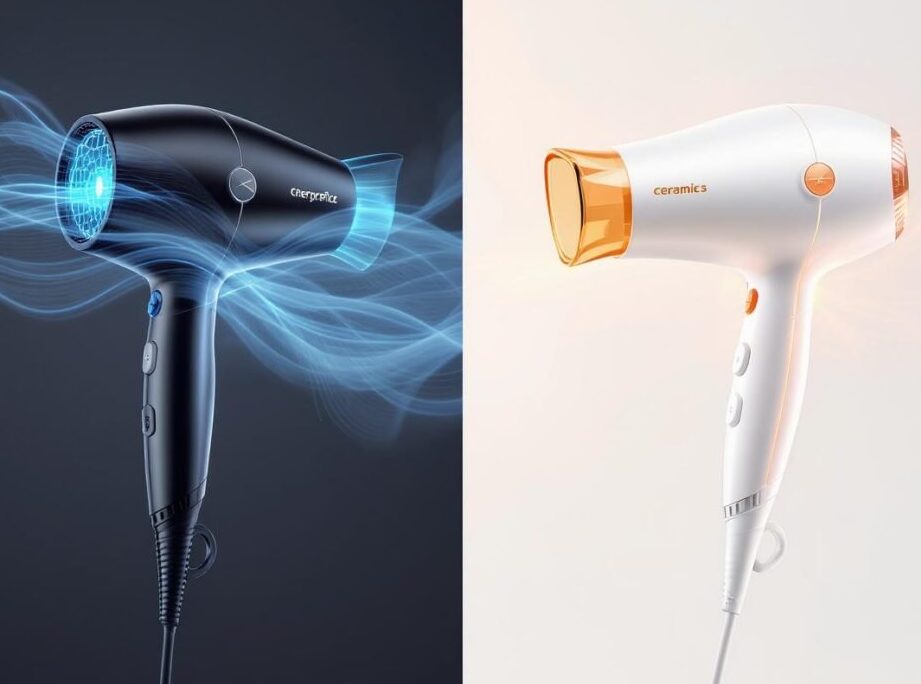
When it comes to achieving that perfect blowout or sleek style, choosing the right hair dryer can make all the difference. Is an ionic or ceramic hair dryer better for your needs? This is a question we often hear from beauty enthusiasts seeking efficient and effective tools for their hair care routine. Both types of dryers promise faster drying times and healthier-looking hair but have distinct technologies that cater to different preferences.
In this article, we will dive deep into the advantages and disadvantages of each option. We’ll explore how ionic technology reduces frizz while ceramic heaters ensure even heat distribution. Understanding these differences will empower us to make informed decisions when selecting our ideal styling companion. Are you ready to discover which dryer may be the game changer in your beauty arsenal? Let’s find out together!
Benefits of Ionic Hair Dryers
Ionic hair dryers offer a range of benefits that can significantly enhance your hair drying experience. One of the primary advantages is their ability to reduce frizz and static, which is especially beneficial for those with curly or wavy hair. By emitting negative ions, these dryers break down water molecules more efficiently, allowing moisture to be absorbed into the hair instead of evaporating away. This leads to smoother, shinier hair that looks healthier and feels softer.
Faster Drying Time
Another key benefit we appreciate about ionic technology is its contribution to faster drying times. Traditional dryers tend to rely on heat alone, which can lead to overheating and damage. In contrast, ionic dryers utilize lower temperatures while still effectively drying the hair quickly. This not only saves time but also minimizes heat-related damage over time.
Enhanced Moisture Retention
Moreover, by retaining moisture in the hair strands during the drying process, ionic dryers help maintain natural hydration levels. This is crucial for preventing dryness and brittleness often caused by excessive heat exposure from traditional models. The result is healthier-looking locks that are more manageable.
Ideal for Various Hair Types
Ionic hair dryers are also versatile enough to cater to different hair types-including thick, fine, straight, or curly textures. For those considering whether an ionic or ceramic hair dryer might be better suited for their needs, an ionic model could provide significant advantages in terms of both efficiency and overall results.
In our product comparison above that we’ve tested extensively, you’ll find various options showcasing these benefits clearly highlighted in their specifications. When you’re looking at each model’s features carefully-considering factors like wattage and additional settings-you’ll want to prioritize those that emphasize ionic technology for optimal performance.
Overall, investing in an ionic dryer not only enhances your daily routine but also contributes positively toward long-term hair health-making it a worthy consideration when deciding if an ionic or ceramic hair dryer is better for your specific needs!
Advantages of Ceramic Hair Dryers
Ceramic hair dryers are known for their unique benefits that can greatly improve your hair care routine. One of the most significant advantages of these dryers is their ability to distribute heat evenly, which minimizes hot spots that can lead to damage. This even heat distribution helps in gently drying the hair without causing excessive dryness or brittleness, making it a fantastic option for those looking to maintain healthy locks.
Consistent Heat Distribution
The consistent temperature provided by ceramic technology ensures that each section of your hair receives uniform treatment. This not only speeds up the drying process but also safeguards your strands from thermal shock caused by sudden bursts of high heat. By investing in a ceramic dryer, you can enjoy quicker styling sessions while reducing the risk of damaging your hair.
Gentle on Hair
Another compelling reason to consider ceramic dryers is their gentle nature. Unlike traditional models, they emit infrared heat, which penetrates the hair shaft and dries it from within while preserving moisture levels. This leads to softer and shinier results compared to other types of dryers that may leave your hair feeling parched.
Ideal for Sensitive Hair Types
For individuals with fine or color-treated hair, using a ceramic dryer can be especially beneficial. The lower temperatures required for effective drying help prevent color fading and minimize breakage-making them an excellent choice if you’re wondering whether an ionic or ceramic hair dryer is better suited for delicate strands.
Our product comparison above highlights various options featuring these advantageous characteristics prominently in their specifications. When reviewing each model’s features, we recommend focusing on those that emphasize ceramic technology so you can achieve optimal results tailored to your needs.
Overall, choosing a ceramic dryer not only enhances your day-to-day styling experience but also contributes positively towards maintaining long-term hair health-making it a worthy option when weighing whether an ionic or ceramic hair dryer is better for you!
Key Features to Consider When Choosing a Hair Dryer
When selecting the ideal hair dryer for your needs, several essential features warrant careful consideration. Understanding these elements can significantly impact not only the efficiency of your styling routine but also the health of your hair. As we explore these key characteristics, keep in mind that our product comparison above showcases dryers that excel in various aspects tailored to different preferences and hair types.
Wattage and Power
The wattage of a hair dryer plays a crucial role in its performance. Higher wattage typically translates to faster drying times, making it beneficial for individuals with thick or long hair. For optimal results, look for dryers with at least 1800 watts if you desire quick styling sessions without compromising hair quality.
Heat and Speed Settings
Versatility is vital when it comes to heat and speed settings. A good hair dryer should offer multiple options so you can customize the airflow and temperature based on your hair type and desired style. For instance:
- Low heat: Ideal for fine or damaged hair.
- High heat: Suitable for thicker strands requiring more power.
- Cool shot button: This feature helps set styles by locking moisture into the cuticle after drying.
Being able to adjust these settings allows us to cater our drying technique effectively, enhancing overall results while minimizing damage.
Weight and Ergonomics
Another important aspect to consider is the weight and design of the dryer itself. Lighter models are generally easier to handle during prolonged use, reducing arm fatigue-especially relevant for those with longer styling routines. Additionally, ergonomic designs contribute to comfort; look for features such as a comfortable grip or strategically placed buttons that allow effortless adjustments while in use.
By focusing on these critical features-wattage, heat settings, weight, and ergonomics-we can make informed decisions about which products from our comparison best suit our needs. A well-chosen dryer not only streamlines our daily routine but also promotes healthier hair over time.
Is Ionic or Ceramic Hair Dryer Better for Your Hair Type?
When considering whether an ionic or ceramic hair dryer is better for your hair type, it’s essential to understand how each technology works and what benefits they offer. Both types of dryers have unique features that can cater to different hair needs, making it crucial to evaluate your specific requirements before making a choice.
Ionic Hair Dryers
Ionic hair dryers are designed to emit negative ions that help break down water molecules in the hair. This process allows for quicker drying times and reduces frizz by helping to seal moisture into the cuticle. If you have thick, coarse, or frizzy hair, an ionic dryer may be particularly beneficial as it promotes smoother results while maintaining hydration.
Ceramic Hair Dryers
On the other hand, ceramic hair dryers distribute heat evenly across the surface of the styling tool. This quality minimizes hot spots that could potentially damage your strands. For those with fine or damaged hair, a ceramic dryer might be preferable since it provides gentle heat that helps avoid further harm while still delivering effective drying performance.
Which One Should You Choose?
To determine which is better-an ionic or ceramic hair dryer-for your particular needs, consider the following factors:
- Hair Type:
- Thick/Frizzy Hair: Ionic dryers excel in reducing frizz and speeding up drying time.
- Fine/Damaged Hair: Ceramic models offer gentler heat distribution without excessive damage.
- Desired Results:
- If you’re seeking quick styling with minimal frizz, go for an ionic dryer.
- For softer styles with added shine and less damage risk, choose a ceramic option.
- Styling Routine:
- Consider how much time you spend on drying-if speed is critical due to busy schedules, ionic could be advantageous.
By weighing these considerations against our product comparisons above, you can make an informed decision about which type aligns best with your hair care goals. Each product we’ve tested aims to deliver exceptional results tailored specifically for various preferences and conditions.
User Reviews: Real Experiences with Ionic and Ceramic Models
User feedback plays a crucial role in understanding the real-world performance of ionic and ceramic hair dryers. By examining various reviews, we can gain insights into how these products perform across different hair types and styling needs. Our analysis reflects feedback from users who have tested the models mentioned above, allowing us to present a well-rounded view of their experiences.
Ionic Hair Dryers
Many users with thick or frizzy hair report that ionic hair dryers significantly reduce drying time while minimizing frizz. One reviewer shared that they noticed smoother results after using an ionic model compared to their previous dryer, highlighting its ability to retain moisture in the hair. Additionally, customers often mention how much easier it is to style their hair when using an ionic dryer due to its quick drying capabilities.
However, some users have pointed out that excessive use can lead to over-drying if not monitored carefully. Therefore, it’s essential for potential buyers to consider their individual styling habits and hair health before committing to this type of dryer.
Ceramic Hair Dryers
On the other hand, users who prefer ceramic dryers emphasize the gentle heat distribution as a standout feature. Reviewers with fine or damaged hair appreciate how these models provide effective drying without causing further damage, making them ideal for daily use. Comments frequently highlight improved shine and softness after switching to a ceramic option.
A common theme among reviewers is the consistent performance regardless of humidity levels; many find that ceramic dryers maintain their effectiveness even in challenging weather conditions. However, some individuals note that while they dry more gently, they may take slightly longer than ionic models.
Summary of User Insights
To summarize user experiences:
- Ionic Hair Dryers:
- Pros: Fast drying times, reduced frizz for thick/coarse hair.
- Cons: Potential for over-drying; requires attention during use.
- Ceramic Hair Dryers:
- Pros: Gentle on fine/damaged hair; maintains shine; consistent performance.
- Cons: May take longer than ionic alternatives.
By considering these real user experiences alongside our product comparisons above, you can make an informed decision about which type aligns best with your specific needs and preferences in hairstyling tools.