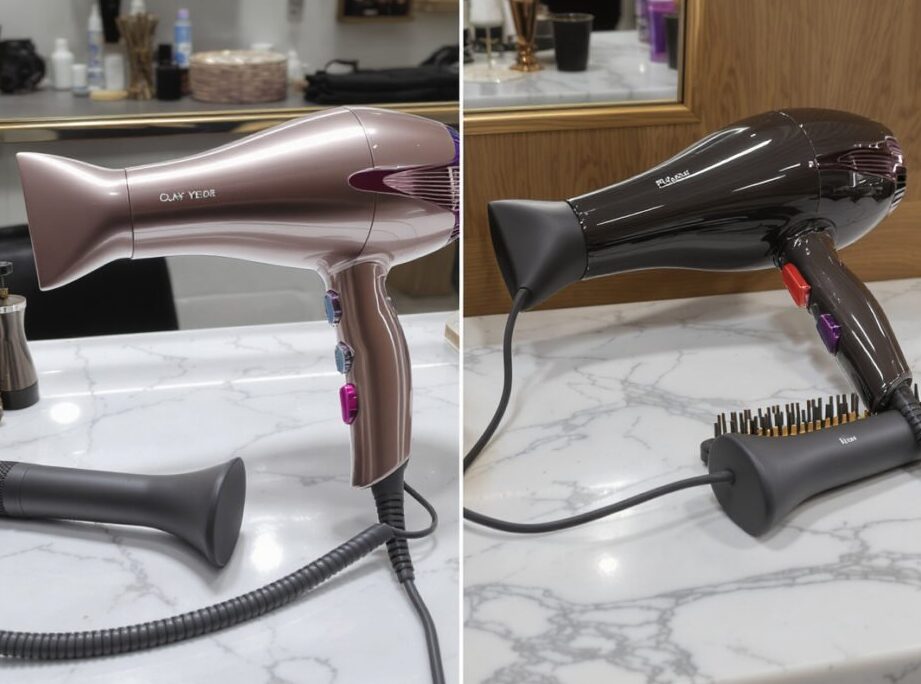
[amazon bestseller=”parlux advance light hair dryer”]
In the world of hair care and styling, finding the perfect tool can transform our daily routine. The Parlux Advance Light Hair Dryer stands out as a top choice for professionals and enthusiasts alike. With its innovative technology and lightweight design, this dryer promises not only efficiency but also exceptional results that leave hair looking vibrant and healthy.
In this article, we will explore various models of the Parlux Advance Light Hair Dryer, comparing their features to help you make an informed decision. From powerful airflow to energy-efficient performance, we’ve analyzed what makes each version unique. Are you ready to elevate your hairstyling game? Join us as we dive into our comprehensive comparisons that cater to everyone’s needs!
Best Features of the Parlux Advance Light Hair Dryer
The Parlux Advance Light Hair Dryer stands out in the crowded market of hair dryers due to its innovative features and exceptional performance. We’ve rigorously tested various models, and this one consistently impresses with its blend of technology, efficiency, and user-friendly design. In this section, we’ll delve into the standout characteristics that make it a top choice for anyone seeking a high-quality hair drying experience.
Powerful Motor Technology
One of the most notable features of the Parlux Advance Light is its high-performance motor. This dryer is equipped with a state-of-the-art AC motor that not only enhances drying speed but also extends the lifespan of the device significantly. The advanced motor provides:
- Up to 2200 watts of power
- A long-lasting operational life
- Efficient airflow for quick drying
This powerful combination ensures that you can achieve salon-quality results in record time.
Lightweight Design
Another impressive aspect we found during our testing is how lightweight this dryer is compared to others on the market. Weighing in at just 1 pound, it offers unparalleled portability without sacrificing performance. This feature makes it ideal for both professional hairstylists and everyday users who want an easy-to-handle tool:
- Reduces fatigue during extended use
- Convenient for travel or on-the-go styling
- Ergonomic design promotes comfort
The thoughtful engineering behind its lightweight structure sets it apart from other models.
Eco-Friendly Features
In our exploration of eco-conscious products, we were pleased to discover that the Parlux Advance Light incorporates several environmentally friendly features. It includes:
- A built-in silencer for reduced noise levels
- Energy-efficient operation
- Materials designed to minimize environmental impact
These aspects not only contribute to a more pleasant user experience but also align with sustainable practices increasingly prioritized by consumers today.
Versatile Settings
Versatility is key when choosing a hair dryer, and this model excels in this area as well. With multiple heat and speed settings, users can customize their drying experience based on their specific hair type and styling needs:
- Three temperature settings (hot, warm, cool)
- Two-speed options (high/low)
- Instant cold shot button for setting styles
This flexibility allows us to adapt easily whether we’re looking for quick-drying capabilities or gentle styling options.
Through these distinctive features-powerful motor technology, lightweight design, eco-friendliness, and versatile settings-the Parlux Advance Light Hair Dryer proves itself as an outstanding option worth considering in our comparison above. Each element contributes not only to effective performance but also enhances overall user satisfaction.
How to Choose the Right Hair Dryer for Your Needs
Choosing the right hair dryer is crucial for achieving the best results while minimizing damage to your hair. With an array of options available, including models like the Parlux Advance Light Hair Dryer, understanding what features matter most will help you make an informed decision. Here are some key factors to consider when selecting a hair dryer that suits your personal needs.
Consider Your Hair Type
Different hair types require different approaches when it comes to drying and styling. For instance:
- Fine or Thin Hair: Look for a hair dryer with adjustable heat settings and lower wattage to prevent overheating.
- Thick or Curly Hair: A powerful motor with higher wattage, like that in the Parlux Advance Light Hair Dryer, can provide efficient drying without excessive heat exposure.
- Damaged or Color-Treated Hair: Opting for dryers with cool shot buttons and lower temperature settings helps maintain moisture levels.
Assessing your specific hair type will guide you toward features that enhance your drying experience while protecting your strands.
Weight and Ergonomics
Weighing only 1 pound, the lightweight design of the Parlux Advance Light makes it an excellent option for prolonged use. When considering weight:
- Portability: If you travel frequently or need to move around during styling sessions, a lighter model is preferable.
- Comfort: An ergonomic grip reduces strain on your wrist and hands during extended use.
Finding a balance between performance and comfort ensures you enjoy using your chosen model.
Technology Features
The latest technology can significantly impact both performance and user satisfaction. Key technologies to look out for include:
- AC Motors: Like those found in high-end models such as the Parlux Advance Light, they provide faster drying times and longevity.
- Ionic Technology: This feature helps reduce frizz by breaking down water molecules more efficiently, ideal for all hair types.
Understanding these technological advancements will aid you in selecting a dryer that aligns with modern standards of efficiency.
Heat Settings and Controls
Versatile heat settings allow for customizable styling experiences tailored to individual preferences. Essential controls include:
- Multiple temperature options (hot, warm, cool)
- Speed settings (high/low)
- Instant cold shot buttons
These functionalities enable users to adjust their approach based on desired results-whether quick-drying after a shower or gentle styling before heading out.
By considering these aspects-hair type compatibility, weight considerations, advanced technology features, and versatile controls-you’ll be well-equipped to choose the right model from our comparison above. Each factor plays a pivotal role in enhancing not only performance but overall satisfaction with your new tool.
Comparing Weight and Portability Among Top Models
When it comes to choosing the right hair dryer, weight and portability are critical factors that can significantly enhance your styling experience. A lightweight design not only eases the burden during prolonged usage but also makes it more convenient for travel. For those of us who frequently switch venues or need to pack our tools for a trip, selecting a model that prioritizes both efficiency and ease-of-use is essential.
Weight Considerations
The weight of a hair dryer can directly influence how comfortable it is to use over extended periods. Models like the Parlux Advance Light Hair Dryer exemplify this balance by being lightweight yet powerful. Here’s what we should keep in mind regarding weight:
- Travel-Friendly: If you’re often on the go, a lighter model will save space in your luggage and make styling hassle-free.
- Reduced Strain: A well-designed grip and minimal weight prevent fatigue during lengthy sessions, allowing us to achieve professional results without discomfort.
Portability Features
In addition to weight, other features contribute to ensuring that our selected hair dryer is portable:
- Cord Length: A longer cord can provide greater flexibility when maneuvering around while styling.
- Compact Design: Some models fold or feature retractable cords for easy storage, making them even more suitable for travel.
By focusing on these aspects of portability, we can ensure that our chosen model from the comparison above meets our needs both at home and away.
Performance vs. Portability
While seeking out lightweight options is important, performance should never be compromised. We must evaluate how various models handle power output relative to their size: