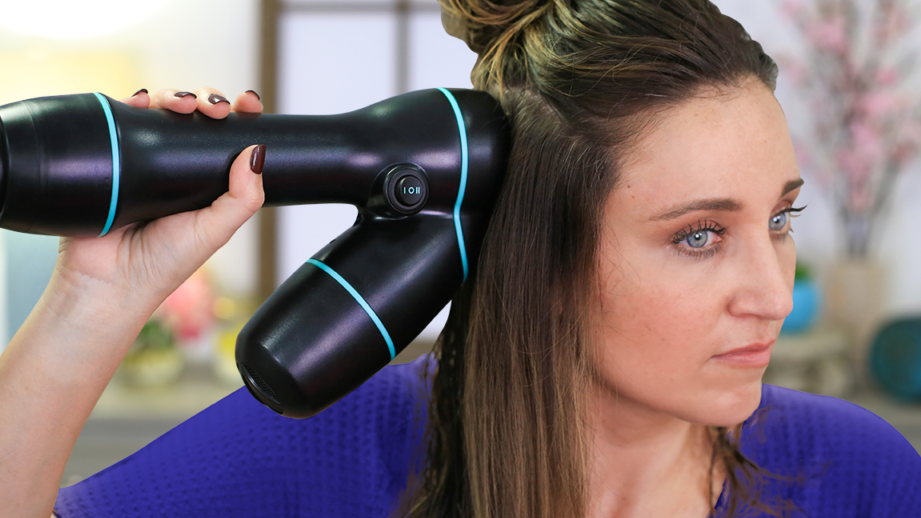
[amazon bestseller=”reverse hair dryer”]
Are you tired of long drying times and frizzy hair? Discover the best reverse hair dryers that can transform your styling routine. These innovative tools utilize cutting-edge technology to provide faster drying while minimizing heat damage. By reversing the airflow, they help reduce frizz and enhance shine, giving you salon-quality results at home.
In this article, we will compare top options in the market to find the perfect reverse hair dryer for your needs. We’ll delve into features performance and user feedback so you can make an informed decision. Whether you’re looking for a lightweight model or one packed with advanced settings we’ve got you covered.
Why settle for ordinary when extraordinary is within reach? Let’s explore how a reverse hair dryer can revolutionize your hair care regimen and elevate your everyday look. Are you ready to say goodbye to traditional drying methods and embrace a new way to achieve beautiful hair?
Best Features to Look for in a Reverse Hair Dryer
When searching for the ideal reverse hair dryer, there are several key features we should prioritize to ensure we make an informed choice. A reverse hair dryer is designed not only to dry hair but also to enhance its texture and shine while minimizing damage. By focusing on specific characteristics, we can select a product that meets our individual needs and preferences.
Power and Wattage
One of the most crucial aspects of any hair dryer is its power output, typically measured in watts. Higher wattage generally translates to faster drying times, which is essential for those with thicker or longer hair. Look for reverse hair dryers that offer at least 1500 watts for optimal performance.
Heat and Speed Settings
The ability to adjust heat and speed settings allows us greater control during styling. Multiple settings enable us to customize the drying experience based on our hair type:
- Low heat: Ideal for fine or damaged hair.
- High heat: Suitable for thick or coarse textures.
- Variable speeds: Provide versatility whether we need quick drying or gentle styling.
Having multiple options ensures we can adapt our approach according to different situations or styles.
Technology Features
Modern reverse hair dryers often come equipped with advanced technologies designed to protect our hair while providing excellent results:
- Ionic technology: Helps reduce frizz by neutralizing static electricity.
- Ceramic tourmaline components: Distribute heat evenly and maintain moisture within the strands.
These features not only contribute to healthier-looking hair but also enhance overall drying efficiency.
Ergonomics and Design
As we consider usability, ergonomic design plays a significant role in our comfort during use. A lightweight structure reduces hand fatigue, especially when styling over extended periods. Additionally, a swivel cord minimizes tangling issues, allowing us greater freedom of movement as we work through sections of our hair.
Noise Levels
Noise levels vary significantly among different models of reverse hair dryers. For those who value a quieter operation-whether it’s during early morning routines or late-night touch-ups-considering noise ratings can greatly impact user satisfaction.
By focusing on these essential features when selecting a reverse hair dryer from the products listed above, we’re more likely to find one that aligns perfectly with both our styling goals and personal preferences.
How to Choose the Right Reverse Hair Dryer for Your Hair Type
Choosing the right reverse hair dryer is crucial to achieving the best results for our specific hair type. Each of us has unique needs, and understanding how different features align with those needs can lead to a more satisfying styling experience. We need to consider factors such as hair texture, thickness, and personal styling preferences when making our selection.
Fine or Thin Hair
For those of us with fine or thin hair, it’s essential to opt for a reverse hair dryer that offers lower heat settings. This will help prevent further damage while still providing effective drying. Look for models that include ionic technology, which can minimize frizz and static without excessive heat-a common concern for finer strands.
Thick or Coarse Hair
If we have thick or coarse hair, then selecting a model that delivers higher wattage and multiple heat options is vital. A powerful reverse hair dryer helps speed up the drying process, reducing overall exposure to heat. In this case, we might seek out products that feature ceramic tourmaline components to ensure even heating and moisture retention-this combination enhances shine while maintaining healthy locks.
Curly or Textured Hair
For curly or textured hair types, adaptability is key. A reverse hair dryer with adjustable speed settings allows us greater control over how we style curls without disrupting their natural pattern. Additionally, opting for devices with a diffuser attachment can further enhance our styling routine by promoting defined curls while minimizing frizz.
| Hair Type | Recommended Features |
|---|---|
| Fine/Thin Hair | Low heat settings; Ionic technology |
| Thick/Coarse Hair | High wattage; Ceramic tourmaline |
| Curly/Textured Hair | Adjustable speeds; Diffuser option |
By understanding these specific requirements tied to our individual hair types, we can navigate through the options listed above more effectively. This awareness not only guides us toward choosing an appropriate reverse hair dryer but also ensures that we achieve optimal results tailored specifically to our styling goals.
Comparing Performance: Heat Settings and Drying Speed
When evaluating the performance of reverse hair dryers, two critical factors stand out: heat settings and drying speed. These elements not only influence the efficiency of our drying routine but also significantly impact the health of our hair. Understanding how to balance these features can lead us to make more informed choices when selecting a product from those listed above.
Heat Settings
Having adjustable heat settings is essential for catering to different hair types and styling needs. A reverse hair dryer that offers multiple temperature options allows us to customize our experience:
- Low Heat: Ideal for fine or damaged hair, preventing further stress while ensuring effective drying.
- Medium Heat: Suitable for normal hair types, providing a balance between drying speed and protection.
- High Heat: Best for thick or coarse hair, enabling rapid drying without excessive exposure time.
By choosing a model with versatile heat settings, we can adapt our approach based on specific conditions or styles we aim to achieve.
Drying Speed
Drying speed is another crucial aspect that differentiates various reverse hair dryers. Models equipped with powerful motors often deliver quicker results without compromising on quality. When assessing this feature, consider the following:
- Wattage: Higher wattage typically translates into greater airflow and faster drying times.
- Airflow Technology: Advanced designs may incorporate technologies that enhance airflow efficiency, reducing overall drying duration.
We should pay attention to user reviews and performance tests related to drying speed in order to find models that excel in this area among those presented above.
In summary, both heat settings and drying speeds are pivotal in determining how well a reverse hair dryer meets our individual styling needs while maintaining healthy locks. By focusing on these characteristics during our selection process, we increase the likelihood of achieving desired results efficiently and safely.
User Experience: Noise Levels and Design Considerations
When using a reverse hair dryer, the overall user experience can be greatly affected by noise levels and design features. These aspects not only contribute to our comfort during styling but also play a crucial role in how we perceive the quality of the product. As we explore these considerations, it’s essential to recognize that a quieter device can enhance our daily routine, allowing for more enjoyable styling sessions without unnecessary distractions.
Noise Levels
Noise levels are often overlooked but can significantly impact our satisfaction with a hair dryer. A loud appliance can make it challenging to hear music or conversations while drying hair. When evaluating reverse hair dryers, consider models that prioritize quiet operation without sacrificing performance:
- Decibel Ratings: Look for products with lower decibel ratings, typically ranging from 60 to 80 dB. Quieter options tend to offer a more pleasant user experience.
- Sound Dampening Technology: Some advanced models incorporate sound-dampening materials in their construction, reducing operational noise and creating a calmer environment.
By selecting devices designed for lower noise output, we ensure that our hairstyling routine is as peaceful as possible.
Design Considerations
In addition to noise levels, the design of a reverse hair dryer plays an integral role in usability and efficiency. Features such as weight distribution, grip ergonomics, and aesthetics should all come into play when choosing the best product from those listed above:
- Weight and Balance: A lightweight design promotes ease of use while minimizing fatigue during extended styling sessions.
- Ergonomic Handle: An ergonomic handle provides comfortable grip support and allows for better control over styling angles.
- Cord Length: Sufficient cord length enables flexibility in movement while drying hair-an important factor if you have limited space around your mirror or vanity.
It’s critical that we assess these design elements alongside performance metrics like heat settings and drying speed discussed previously. By focusing on both user experience factors and functional performance when reviewing options above, we’re well-equipped to make informed purchasing decisions tailored to our individual needs.
Price vs. Quality: Finding Value in Reverse Hair Dryers
When considering the purchase of a reverse hair dryer, it’s important to strike a balance between price and quality. While we all seek budget-friendly options, investing in a higher-quality product can lead to better performance and longevity. Often, cheaper models may lack essential features or durability, resulting in frustration and additional costs over time. Therefore, understanding what constitutes value in this category is crucial for making informed decisions.
Evaluating Price Points
Prices for reverse hair dryers can vary significantly based on brand reputation, technology used, and included features. To help gauge what you should expect at different price levels, we can categorize them as follows:
| Price Range | Typical Features |
|---|---|
| Under $50 | Basic functionalities with limited heat settings; often heavier designs. |
| $50 – $100 | Mid-range options featuring improved ergonomics and better heat control; quieter operation. |
| Over $100 | Advanced technologies such as ionic or infrared heating; lightweight materials with extensive warranties. |
By examining these categories, we can see that while lower-priced products might seem appealing at first glance, they often do not deliver the same level of performance or user satisfaction as their more expensive counterparts.
Features Justifying Higher Prices
Investing in a higher-end reverse hair dryer typically means gaining access to superior features that enhance our styling experience. Here are some aspects where quality tends to shine:
- Heat Technology: More expensive models often incorporate advanced heating methods that minimize damage while drying hair efficiently.
- Durability: Higher-priced dryers tend to be constructed from premium materials that withstand daily use without breaking down quickly.
- Warranty Options: A solid warranty reflects manufacturer confidence in their product’s longevity and reliability.
As we assess the products listed above, prioritizing these quality indicators will ensure we find a reverse hair dryer that meets both our needs and expectations.
In conclusion, while price is an essential factor when shopping for a reverse hair dryer, it’s vital to consider how it aligns with quality features. By balancing these two aspects effectively through careful evaluation of the options provided above, we’re able to make choices that not only suit our budget but also enhance our overall hairstyling routine.