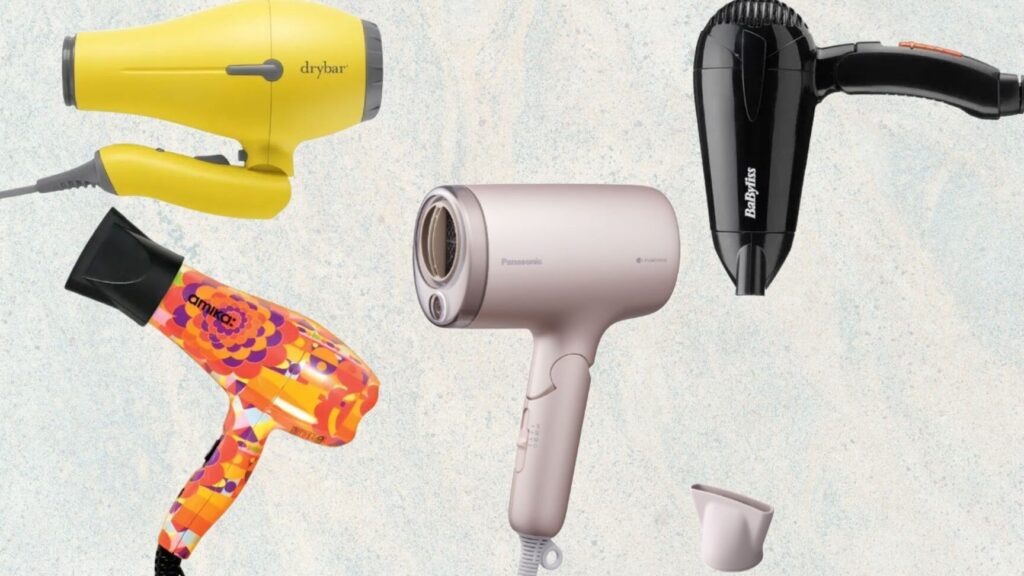
[amazon bestseller=”tiny hair dryer”]
Searching for the perfect styling tool can feel overwhelming, especially when we want efficiency without sacrificing quality. That’s where tiny hair dryers come into play. These compact powerhouses offer impressive performance while being easy to handle and store. We all love a sleek look but who wants to lug around bulky equipment?
In this guide, we’ll explore the best tiny hair dryers available today that promise effortless styling with minimal fuss. From travel-friendly designs to powerful drying capabilities, we will highlight features that make these dryers essential for our daily routines. Are you ready to discover how a small device can transform your hair game? Let’s dive in!
Choosing The Right Features For A Tiny Hair Dryer
When selecting the ideal tiny hair dryer, we must consider several key features that can significantly enhance our styling experience. Unlike traditional hair dryers, these compact alternatives pack a punch in performance while being lightweight and portable. Understanding what features are essential can help us make an informed decision when exploring the options listed above.
Power and Motor Type
The power of a tiny hair dryer is crucial for effective drying and styling. Generally, a higher wattage translates to faster drying times. Look for models with at least 1200 watts, as they tend to provide sufficient heat without compromising on efficiency. Additionally, consider the motor type:
- AC motors: Last longer and often deliver better performance.
- DC motors: Typically quieter and lighter but may not be as durable.
Heat Settings and Technology
Versatility in heat settings is essential for different hair types and styles. A good tiny hair dryer should offer multiple heat settings along with a cool shot button to lock in styles. Moreover, advanced technologies like ionic or ceramic heating can reduce frizz and enhance shine by distributing heat evenly.
Weight and Size
Since portability is one of the main selling points of tiny hair dryers, examining their weight and dimensions is vital. Most compact models weigh around 1-2 pounds, making them easy to handle during use or travel. When reviewing products above, ensure you choose one that fits comfortably in your hand while providing adequate airflow.
| Feature | Importance |
|---|---|
| Power (Wattage) | Faster drying times |
| Motor Type | Performance durability |
| Heat Settings | Versatility for different hairstyles |
| Weight | Ease of use during travel |
By focusing on these critical features-power, motor type, heat settings, technology, weight, and size-we can confidently select a tiny hair dryer that meets our needs effectively. The products we’ve tested above embody these qualities; thus investing time in understanding these aspects ensures we make the best choice possible for effortless styling today.
Portability And Design Considerations
When it comes to tiny hair dryers, portability and design are paramount for users who value convenience and aesthetics. These compact devices should seamlessly fit into our lives, making styling on-the-go a breeze. Thus, evaluating their size, weight, and overall design can significantly influence our satisfaction with the product.
A well-designed tiny hair dryer not only looks appealing but also enhances usability. Key considerations include:
Size and Weight
The dimensions of a tiny hair dryer are crucial for travel-friendly options. Most models weigh between 1-2 pounds, making them lightweight enough to be easily packed in luggage or stored in small spaces at home. When selecting a model from the products above, we should ensure it is comfortable to hold during use while still providing powerful airflow.
Ergonomics
An ergonomic design can greatly improve our experience with a tiny hair dryer. Look for features such as:
- Comfortable grip handles that reduce strain during long styling sessions.
- Placement of controls that allow for easy adjustments without interrupting our flow.
These elements contribute to a more enjoyable user experience, allowing us to focus on achieving effortless styles rather than struggling with cumbersome designs.
Aesthetic Appeal
While functionality is essential, we shouldn’t overlook how our tiny hair dryer fits into our personal style or bathroom decor. Available models come in various colors and finishes, enabling us to choose one that complements our aesthetic preferences. This attention to visual appeal often makes using these tools feel more enjoyable.
| Aspect | Importance |
|---|---|
| Size | Ease of packing and storage |
| Weight | Comfort during use and travel |
| Ergonomics | User-friendly operation during styling |
| Aesthetics | Satisfaction with product appearance |
By focusing on these aspects of portability and design when reviewing the options listed above, we empower ourselves to select a tiny hair dryer that aligns perfectly with both practical needs and personal style preferences.
Heat Settings And Performance Differences
When selecting a tiny hair dryer, understanding the is crucial to achieving optimal results. Different models offer varying levels of heat intensity, which can significantly influence our styling experience. Whether we are aiming for quick drying or precision styling, knowing how to navigate these options will help us make an informed decision when choosing from the products listed above.
Heat Settings
Most tiny hair dryers come with multiple heat settings that allow us to customize our drying experience based on hair type and desired style. Common settings include:
- Low Heat: Ideal for fine or damaged hair, this setting helps prevent further damage while providing gentle drying.
- Medium Heat: A versatile option suitable for most hair types; it balances drying speed without causing excessive heat exposure.
- High Heat: Best for thick or coarse hair, this setting accelerates drying time but should be used cautiously to avoid overheating.
Understanding these options enables us to select a model that aligns with our specific needs and preferences.
Performance Differences
Beyond just temperature control, performance varies widely among tiny hair dryers. This includes factors such as airflow power and technology used in heating elements. Some key aspects we should consider include:
- Airflow Power: Measured in cubic feet per minute (CFM), stronger airflow means quicker drying times. Models with high CFM ratings are particularly effective for those who need fast results during busy mornings.
- Heating Technology: Options like ceramic or tourmaline heating elements distribute heat more evenly and reduce frizz compared to traditional metal coils. These advanced technologies enhance performance by improving overall styling results.
To illustrate these differences more clearly, let’s look at the following table comparing various performance metrics:
| Feature | Entry Level Dryer | Mid Range Dryer | Premium Dryer |
|---|---|---|---|
| Heat Settings | 1 (Low) | 2 (Low/Medium) | 3 (Low/Medium/High) |
| Airflow Power (CFM) | 20 | 30 | 50+ |
| Heating Technology | Mental Coil | Ceramic | Tourmaline/Ceramic |
By considering both the heat settings available and how they perform across different models, we can confidently choose a tiny hair dryer that meets our styling needs while ensuring healthy treatment of our hair.
Customer Reviews And Brand Reputation
Understanding is essential when choosing the right tiny hair dryer for our styling needs. Reviews provide valuable insights into the performance, durability, and overall satisfaction of different models. By analyzing feedback from other users, we can gauge whether a specific product lives up to its claims and fits our requirements.
Importance of Customer Feedback
Customer feedback often highlights key elements that manufacturers may not emphasize in their marketing materials. For instance, users frequently discuss factors like:
- Durability: Many customers share their experiences regarding how long their tiny hair dryer lasted before showing signs of wear.
- Ease of Use: Feedback on design aspects such as weight, handle comfort, and overall portability can guide us in selecting a model that suits our lifestyle.
- Performance Consistency: Users may report variations in heat settings and airflow over time, which helps us understand if a particular model maintains quality throughout its lifespan.
Evaluating Brand Reputation
Brand reputation plays a critical role in our purchasing decision. Well-established brands typically invest more in research and development to ensure high-quality products. They also tend to have better customer service policies. When reviewing tiny hair dryers from various brands listed above, consider:
- Brand History: How long has the brand been in the market? A longer track record can indicate reliability.
- Warranty Policies: Brands that offer extended warranties or satisfaction guarantees demonstrate confidence in their products.
- Customer Support: Positive interactions with customer service teams often enhance trust in a brand.
Incorporating these considerations into our evaluation process allows us to make informed decisions based on collective experiences rather than solely relying on marketing claims. Ultimately, understanding both will help us choose the best tiny hair dryer for effortless styling today.
Affordability Versus Quality In Compact Dryers
When it comes to selecting the best tiny hair dryer, we often find ourselves weighing affordability against quality. While budget-friendly options are enticing, it’s crucial to consider whether they will meet our styling needs effectively over time. A lower price tag might tempt us initially, but if the product doesn’t perform well or lacks durability, we may end up spending more in the long run.
Understanding Cost-Benefit Analysis
In evaluating compact dryers, we should examine what we gain relative to what we spend. Here are some factors to consider:
- Initial Investment: The upfront cost of a tiny hair dryer is only one aspect; assessing its features and performance can lead us to better choices.
- Long-Term Value: Investing a bit more in a higher-quality model may save us money by reducing replacement frequency and maintenance costs.
- User Experience: Reviews often highlight how affordable models can sometimes compromise on essential features like heat settings and airflow control.
Balancing Affordability with Performance
To make informed decisions that balance cost with functionality, we can look at several key aspects:
- Material Quality: Higher-priced models often use superior materials that contribute to their longevity and effectiveness.
- Technology Integration: Features like ionic technology or ceramic heating elements are typically found in pricier models but provide significant benefits for hair health and drying speed.
- Warranty Offerings: Brands that stand behind their products usually offer longer warranties for high-quality items, indicating confidence in their durability.
Our previous comparisons of tiny hair dryers above have shown varying prices alongside differing performance metrics. By examining these products closely, we can identify which ones truly deliver value despite their price points.
Ultimately, while affordability plays an important role in our purchasing decision for compact dryers, prioritizing quality ensures that we invest wisely in our hair care tools for lasting results and effortless styling today.